
Ragnarok Origin: Classic
Gravity Game VisionRole Playing
3.453.00 Reviews
- Version
- 2.0.4
- Installs
- 100.00K
- Age Rating
- Everyone 10+
Screenshots


Our Review of Ragnarok Origin: Classic
 Analysis by Appyee
I went into Ragnarok Origin: Classic expecting a familiar mobile role-playing game with a nostalgic identity, but I came away with a more specific impression: this is an attempt to make the classic Ragnarok formula feel less dominated by spending. That idea is visible in the game’s positioning, yet the experience still asks for patience, routine, and a willingness to live with the rough edges of a live mobile RPG. I enjoyed the sense of progression, but I would not recommend it blindly to every fan of the genre.
The game is developed by Gravity Game Vision and is available as a free download for players aged Everyone 10+. It has passed over one hundred thousand installs and holds an average rating of 3.4 from around one thousand four hundred ratings, so the public response is mixed rather than universally enthusiastic. I think that is a fair starting point. There is enough here to attract players who miss Ragnarok’s world, but the mobile format and its purchase options make the experience more complicated than a simple old-school adventure.
How the current version feels to play
The current build is version 2.0.4, and I found it most enjoyable when I treated it as a long-term character project instead of a game I had to finish quickly. The appeal comes from gradually shaping a character, learning how the class behaves, and deciding where limited attention is worth spending. That slower rhythm suits the role-playing category, especially if you like checking progress in short sessions rather than sitting down for one uninterrupted campaign.
My first useful adjustment was lowering my expectations about instant rewards. The early stages can feel welcoming, but the wider experience is built around repetition and incremental improvement. You will spend time managing growth, choosing what deserves resources, and returning to familiar activities. That is not automatically a flaw; it is part of the appeal for players who enjoy routine. However, anyone looking for a compact, story-led mobile RPG may find the structure too demanding.
The game’s strongest identity is its relationship with the classic Ragnarok setting. Familiar names and a recognizable fantasy atmosphere give it more personality than a generic auto-battler wearing medieval artwork. Even when the moment-to-moment play becomes methodical, the world provides a reason to keep going. I found myself more willing to tolerate a repetitive stretch because the character and setting felt connected to a larger adventure rather than a disposable progression track.
At the same time, nostalgia can work against the game. Players who remember the original style may compare every mobile convenience, menu, and progression decision with an older experience. That comparison is not always kind. This version is designed for phones, so its pacing and presentation have to accommodate shorter visits and ongoing progression. If you want a faithful museum piece, this is not the right expectation. If you want a modern mobile interpretation with classic flavor, the fit is better.
The monthly-pass approach changes the decision-making
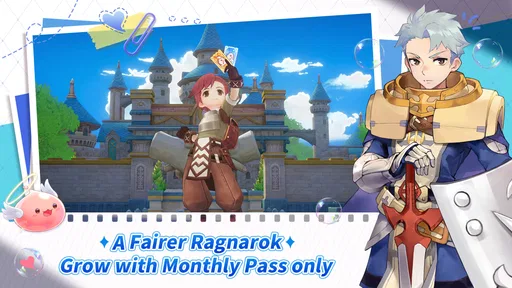
The most important design message is that the game is built around a monthly-pass-only approach, with the promise that items can be obtained through play and that paying should not decide everything. I appreciate the direction because it addresses one of the biggest frustrations in mobile role-playing games: feeling that a player’s wallet matters more than planning or persistence.
Still, I would interpret that promise carefully. A system can reduce the power of spending without removing every form of pressure. The game remains free to start, and its in-app purchases range from $0.99 to $99.99 per item. That spread matters because it signals that monetization is still part of the surrounding ecosystem, even if the central progression philosophy tries to limit its influence.
For me, the practical lesson is to decide early whether I am playing as a free user, a modest spender, or someone comfortable buying convenience. Mixing those approaches without a personal limit can make the experience feel less satisfying. I enjoyed it more when I focused on improving through play and treated purchases as optional rather than as a solution whenever progress slowed.
A useful habit is to pause before buying anything and ask whether it changes my understanding of the character or merely shortens a wait. That small distinction helps preserve the game’s role-playing appeal. If the fun comes from making decisions and seeing them pay off, skipping every obstacle with a purchase can remove the very process that makes the character feel earned.
What version 2.0.4 means for returning players
Version 2.0.4 gives the game a current, actively maintained identity, but a version number alone does not tell me that every older concern has disappeared. I would view this release as the state a returning player should evaluate now, rather than assuming that memories of an earlier build describe the present experience perfectly.
For an existing player, the most useful question is not simply whether the number has changed. It is whether the current balance, progression rhythm, and purchase philosophy match the reason they left. Someone who stopped because the game felt too expensive may find the monthly-pass direction more appealing, but should still examine how much daily involvement is required. Someone who stopped because mobile role-playing routines felt repetitive may not see the kind of change they wanted, even if the game has evolved technically.
I also recommend returning with a small test plan instead of immediately committing to a full restart. Spend a few sessions checking how quickly your character advances, how clearly the game explains its systems, and whether your old goals still make sense. This approach prevents nostalgia from making the decision for you. It also reveals whether the current version fits your available time, which is more important than any headline promise.
New players should take the opposite approach: start slowly and learn the game’s priorities before investing heavily in one direction. In a character-building game, early choices can shape how enjoyable later sessions feel. I found that experimenting first was more valuable than trying to imitate another player’s setup immediately. The game is easier to appreciate when I understand why I am making a decision, not just which decision appears popular.
A realistic day with the game
Imagine a weekday when I have a short break before work and another one in the evening. I can use the first visit to check my character’s progress, handle a few immediate tasks, and decide what deserves attention later. After work, I can return with a clearer goal: improve a particular part of the build, continue a task, or simply spend time in the world. That structure is where the game makes sense to me. It turns small visits into a continuing hobby.
That same routine can become a burden if I feel obliged to perform every available activity. The difference is psychological but important. I recommend choosing a daily priority and accepting that some optional progress can wait. Trying to optimize every minute makes a role-playing game feel like unpaid administration. The monthly-pass philosophy is more enjoyable when it supports relaxed progress rather than encouraging me to chase every possible reward.
This is also why I would be cautious about recommending the game to someone with limited mobile data, limited storage, or very little patience for menus. I am not judging the quality of those players’ preferences; the issue is simply fit. A game built around ongoing character development asks for more attention than a quick puzzle or a self-contained premium adventure.
Where it differs from other mobile role-playing games
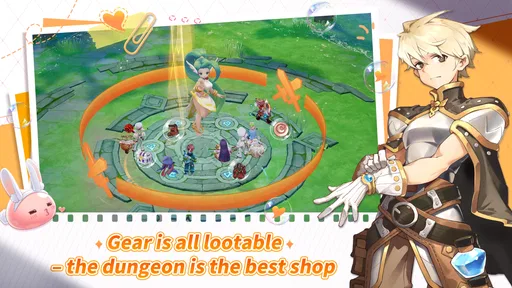
Compared with heavily monetized mobile RPGs, Ragnarok Origin: Classic is more interesting for players who want progression to retain some connection to play time and decisions. The idea that useful equipment or rewards can come through gameplay gives long-term effort more meaning. I prefer that model to one where the most efficient route is always a purchase.
Compared with a traditional single-player role-playing game, however, this is less contained. The experience is not just about moving through a carefully paced story and reaching a final ending. It is about maintaining a character over time. That can be rewarding, but it also means the game may feel less focused. If your favorite RPGs are short, polished journeys with a clear conclusion, a paid offline title may suit you better.
Compared with a competitive online RPG, the appeal here depends less on proving that I am stronger than everyone else and more on building a character at my own pace. Even so, players sensitive to comparisons, rankings, or uneven spending will want to pay attention to how the community environment affects their enjoyment. A fairer purchase philosophy can reduce pressure, but it cannot make every social comparison disappear.
The best alternative depends on the reason you want to play. Choose this game if the Ragnarok atmosphere and long-term character routine are the main attractions. Choose a conventional story RPG if you want a beginning and an ending without daily upkeep. Choose a faster action game if you want immediate control and short bursts of excitement rather than careful progression.
Small decisions that improve the experience
My first practical tip is to create a clear personal spending rule before the game gives me a reason to break it. Because the purchase range reaches from a small impulse buy to a much larger item, deciding in advance protects the free-to-play experiment. I would begin without spending, learn what normal progress feels like, and only then decide whether a monthly commitment adds enjoyment rather than anxiety.
Second, I would avoid spreading attention across too many character goals at once. A role-playing game becomes easier to understand when each session has a purpose. Improving one direction at a time also makes it clearer whether the game’s progression is satisfying. If I change everything whenever progress slows, I cannot tell whether the problem is the build, the system, or my expectations.
Third, I would use short sessions to plan rather than treating every visit as a demand to grind. Checking what I need next, reviewing available resources, and leaving with a simple objective makes the game feel more deliberate. This is particularly helpful for players who enjoy strategy but do not have long uninterrupted periods for gaming.
Finally, I would judge rewards by their effect on future choices, not only by their immediate value. An item that looks exciting may not improve the way I actually play. The more useful question is whether it supports the character I want to use and the activities I genuinely enjoy. That mindset keeps the classic role-playing element alive and reduces the temptation to collect upgrades without a plan.
Remaining friction and who should skip it
The game’s biggest limitation is that its strengths are tied to its demands. Long-term progression is satisfying only if I accept repetition. A free-to-play structure is more comfortable when I resist pressure to buy, but resisting that pressure may require more patience. A familiar world is appealing, but it can also make the mobile compromises stand out more clearly to longtime fans.
I would skip it if I want a completely purchase-free experience with no temptation around optional spending. I would also skip it if I dislike recurring character maintenance, gradual upgrades, or returning to the same game across many days. Players who want a tightly scripted adventure may find the open-ended routine less rewarding than a conventional RPG.
On the other hand, I think it is a good match for someone who remembers Ragnarok fondly and wants a mobile game that treats progression as something to work toward rather than something to buy instantly. It also suits players who enjoy setting their own pace. The game does not need to become the only thing on your phone to be worthwhile; it works better as a regular hobby with boundaries.
What I would watch before committing
I would pay attention to how the monthly-pass philosophy develops in practice. The important issue is not only the wording of the promise, but whether regular play continues to feel meaningful for someone who spends little or nothing. Players should watch their own experience: are they making useful choices, or are they repeatedly being pushed toward purchases to maintain momentum?
I would also watch how the current version affects returning players. A healthy evolution should make it easier to understand what has changed and why a returning character still has a sensible path forward. If the game becomes more welcoming without losing its identity, that would strengthen its position among mobile role-playing games. If it adds more layers without improving clarity, newcomers may feel overwhelmed.
The public rating of 3.4 suggests that the game deserves a measured trial rather than automatic praise. I do not read that average as a verdict that the game is bad. I read it as a reminder that its appeal is specific. The people who enjoy the classic setting and patient progression may be much happier than players who arrive expecting a quick, polished, universally accessible adventure.
For my own recommendation, I would download it free, set a spending limit of zero at first, and give the current version enough time to show its normal rhythm. I would not judge it by the first few minutes, but I also would not force myself through a routine that feels like work. That balanced test answers the questions that matter most: whether the world still attracts me, whether progress feels earned, and whether the game respects the way I want to play.
In the end, Ragnarok Origin: Classic is most convincing when it lets its role-playing foundation do the work. Building a character, returning to a familiar fantasy world, and progressing without assuming that payment must decide the outcome are meaningful advantages. The trade-off is a mobile experience that still requires patience and self-control. If you want classic atmosphere with a slower, ongoing progression loop, it is worth trying; if you want a finished RPG with no routine or monetization decisions, choose something else.
Verdict
Strengths of Ragnarok Origin: Classic
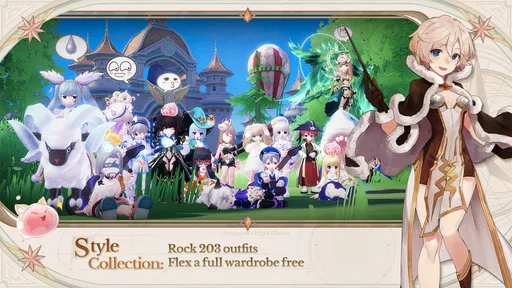
- Faithful classic Ragnarok atmosphere with charming 2D sprites and effects.
- Large world offers plenty of quests, monsters, and areas to explore.
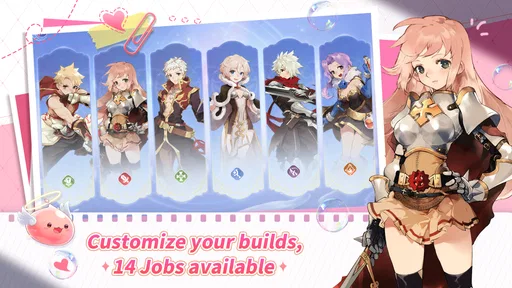
- Flexible job system supports different combat roles and playstyles.
- Guild features and multiplayer activities make it easy to play socially.
- Regular events provide extra rewards and reasons to return.
Limitations of Ragnarok Origin: Classic
- Auto-battle can make combat feel less interactive for some players.
- Progression may become grind-heavy after the early stages.
- Inventory and upgrade systems can feel overwhelming for newcomers.
- Some content and upgrades may encourage spending real money.
- Performance can vary on older devices during crowded battles.
Similar Picks in This Category
View All
Hair Dye
CrazyLabs LTD4.4

Monster High™ Beauty Salon
CrazyLabs LTD4.5

Bus Simulator - Bus Games 3D
Jima Apps4.4

Flight Pilot: 3D Simulator
Wildlife Studios4.1


Super Stylist Fashion Makeover
CrazyLabs LTD4.4
Frequently Asked Questions
What is Ragnarok Origin: Classic?
Ragnarok Origin: Classic is a mobile MMORPG inspired by the original Ragnarok Online experience. It features familiar classes, colorful 2D and 3D visuals, party-based combat, quests, PvP, guild activities, pets, equipment upgrades, and a large fantasy world to explore. It is designed for players who enjoy nostalgic MMORPG mechanics combined with modern mobile conveniences.
Is Ragnarok Origin: Classic free to download and play?
Yes, Ragnarok Origin: Classic can generally be downloaded and played for free on supported Android and iOS devices. However, the game may include optional in-app purchases for items, currency, progression boosts, cosmetics, or other conveniences. New players should also expect additional data downloads after installation, so using Wi-Fi is recommended, especially when installing the game or receiving major updates.
Does Ragnarok Origin: Classic require an internet connection?
Yes, an active internet connection is required because Ragnarok Origin: Classic is an online multiplayer game. Most activities, including quests, combat, character progression, guild features, events, and social interactions, depend on communication with the game servers. A stable Wi-Fi or mobile data connection will provide a smoother experience, while weak connections may cause delays, disconnections, or difficulty entering certain areas.
What classes and gameplay systems are available in Ragnarok Origin: Classic?
The game offers a class-based progression system built around recognizable Ragnarok professions, allowing players to choose roles such as damage dealer, tank, support, or ranged attacker. Characters can develop skills, improve equipment, collect cards or other enhancements, and participate in solo or group content. The best class depends on whether you prefer independent questing, party support, PvP, or guild-focused gameplay.
Is Ragnarok Origin: Classic suitable for new players and casual gamers?
Ragnarok Origin: Classic can be suitable for newcomers and casual players because it usually provides guided quests, automated navigation, tutorials, and systems that help players understand progression. Nevertheless, the game contains many features, currencies, upgrades, daily activities, and time-limited events, which may feel overwhelming at first. Casual players can enjoy the story and exploration, although regular play may be helpful for competitive progression.
Play our best games!


